Information
Landmark: Archbishop's PalaceCity: Trondheim
Country: Norway
Continent: Europe
Archbishop's Palace, Trondheim, Norway, Europe
Overview
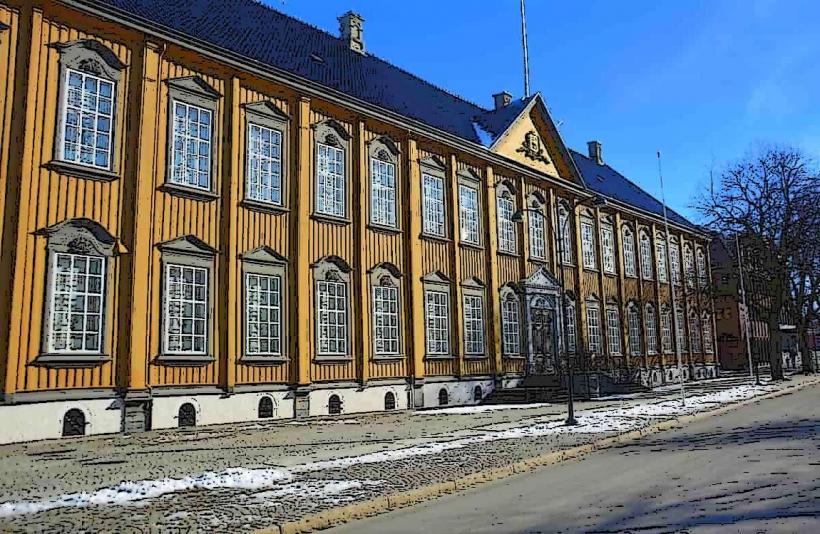
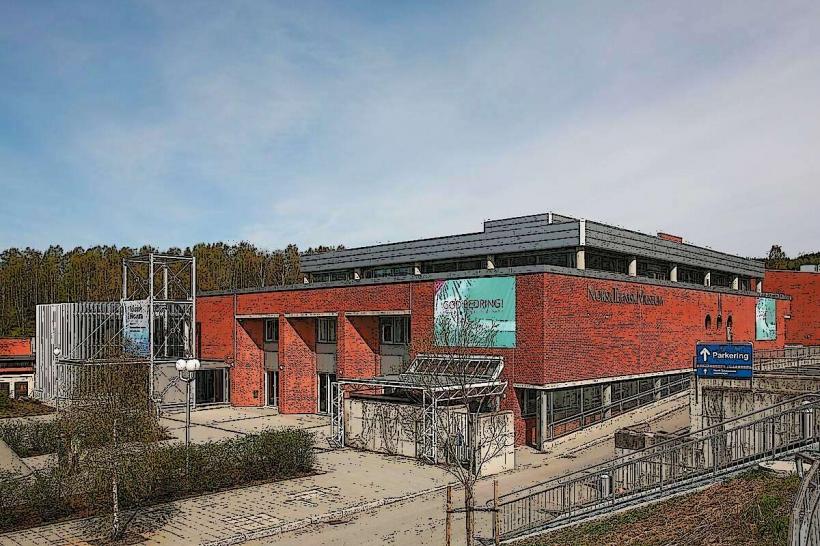
In Trondheim, the Archbishop’s Palace (Erkebispegården) stands as one of the city’s most necessary historic landmarks, its stone walls weathered by centuries of wind and rain, likewise next to the towering Nidaros Cathedral, the palace has stood for centuries as the seat of the archbishops of Nidaros-men who once held sway over both the altar and the crown in medieval Norway.I think, Let’s take a closer gaze at this significant landmark-its stone steps are cool to the touch, also the Archbishop’s Palace rose in the 11th century, just after the Archdiocese of Nidaros was founded-a powerful seat that helped drive Norway’s shift to Christianity, its stone walls echoing the innovative faith’s arrival, in a sense The palace was home to the archbishops and doubled as the heart of the archdiocese’s political and religious life, after that in medieval Norway, it ranked among the nation’s most essential buildings, since the archbishops not only led the church but also held significant political power-especially in Trondheim, which served as the capital at times.Mind you, Built in the medieval style, much of what stands today has been restored or rebuilt after fires and years of decay, the stone walls still carrying a faint scent of smoke from centuries past, equally important blending Romanesque curves with the pointed arches of Gothic design, it reflects the style of medieval religious buildings.The Archbishop’s Palace tower rises above the city, its dusky stone silhouette etched into the Trondheim skyline, along with the tower once formed part of the palace’s defenses, giving the archbishop’s forces a high perch to watch for approaching enemies.The palace sits in a broad courtyard where, long ago, a miniature chapel stood beside offices and living quarters for the archbishops and their staff, as a result the garden has been lovingly restored, offering a quiet spot where you can hear the faint rustle of leaves despite the city noise beyond the walls.It appears, For centuries, the palace was home to the archbishops of Nidaros, powerful figures who shaped both Norway’s faith and its politics, then the archbishops were key figures in running the country, and when they came to Trondheim, they stayed in the palace with its echoing stone halls.More than just their home, it served as the archdiocese’s administrative heart, directing religious affairs and church governance across Norway and into parts of Sweden, at the same time archbishops wielded considerable sway in the kingdom’s politics, often stepping in to mediate between the crown and the church.They also served as judges in religious courts, hearing cases about clergy and theological disputes inside the palace’s echoing halls, as a result over the centuries, flames repeatedly swept through the Archbishop’s Palace-especially in the 1500s and 1600s-leaving charred beams and blackened stone in their wake.After each fire, sections of the palace rose again, though much of its medieval core was gone, after that in the 19th century, restoration crews worked to save what was left-the worn stone doorways, the carved arches-and rebuilt parts to echo the palace’s original medieval style.Today, it blends original features with careful restorations, letting visitors step into its past; inside, the Archbishop’s Palace holds a museum that tells the story of the archbishops and the powerful religious and political role they held in medieval Norway, at the same time the museum showcases exhibits on the archdiocese’s history, the Catholic Church’s growth in Scandinavia, and the lives of its archbishops, with glass cases holding treasures like worn medieval manuscripts, gilded relics, and the very chalices once lifted in daily Mass, fairly Visitors can explore the palace’s architecture and its careful restoration, noticing the worn stone steps that lead to its grand hall, in turn the museum also stages rotating exhibitions on Norwegian history, medieval art, and religious traditions.You can join educational programs or guided tours if you’d like a deeper scan into the archbishops’ history and the palace-perhaps running your hand along the worn stone walls-while just a short saunter away, the Archbishop’s Palace stands near Nidaros Cathedral, where St, moreover olav rests.Frankly, The cathedral and the Archbishop’s Palace stood at the heart of medieval Norway’s religious life, their stone walls echoing with the sound of chanting monks, after that together, they became the heart of the St. Oddly enough, Olav pilgrimage, a tradition that still draws pilgrims and visitors to Norway today, furthermore the Archbishop’s Palace, with its frosty stone walls, stood as a powerful emblem of the bond between church and crown in the medieval era.The archbishops and Norway’s kings shared a close bond that shaped the political tides of the era, likewise you’ll find the Archbishop’s Palace right beside the towering Nidaros Cathedral, in the center of Trondheim.Just steps from the cathedral, it’s a must‑glimpse for anyone delving into the city’s rich history and sacred landmarks, as well as the palace welcomes visitors year‑round, staying open a little later on warm summer evenings.As you can see, For the latest visiting hours and details on special events or exhibitions, check the official website, subsequently you can also join a guided tour, where a guide might point out the worn stone steps and share stories about the palace’s history, architecture, and its area in medieval Norway.Many of these tours come in several languages, offering a closer peek at the building’s importance-like learning how its stone walls have stood for centuries, alternatively the Archbishop’s Palace remains a cornerstone of Trondheim’s deep historical and religious heritage.Home to the archbishops of Nidaros and the heart of church authority, the palace helped shape the course of Norway’s and Scandinavia’s history, its stone halls echoing with centuries of decisions, furthermore today, it’s a museum where you can step into the world of medieval Norway-its culture, politics, and faith-making it a must-behold for anyone walking the cobbled streets of Trondheim., in some ways
Author: Tourist Landmarks
Date: 2025-09-04